
The Dialysis Journey: A Guide for Families and Caregivers

Your Dialysis Journey Matters

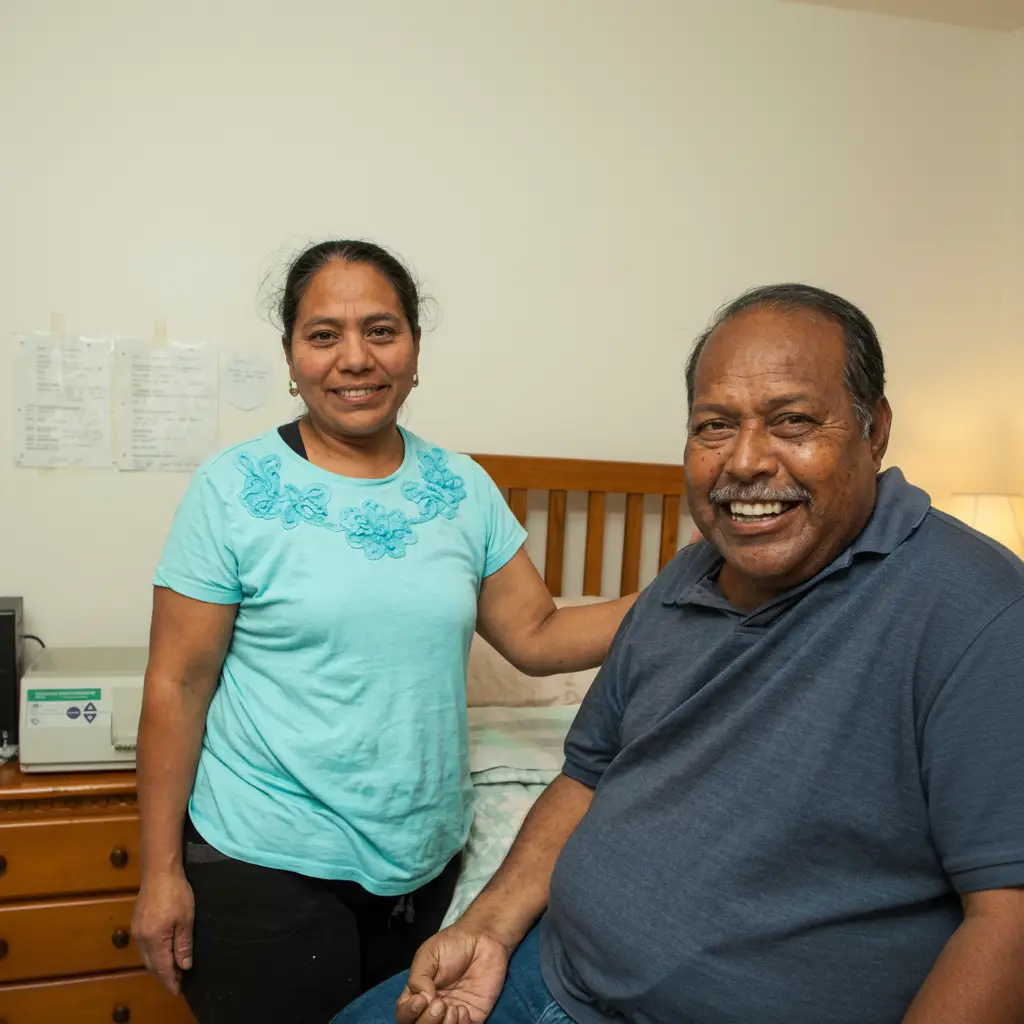
A smiling Home Dialysis Therapies of San Diego patient sits beside their wife and caregiver with an automated peritoneal dialysis machine behind them in a warm, supportive home setting, representing compassionate at-Home Dialysis of San Diego.

When someone you love is told they need dialysis, it can feel like the ground shifts under everyone’s feet. New terms, new machines, and new schedules show up all at once, and it is easy to feel as if you are always one step behind. Taking time to understand how dialysis works and what the journey usually looks like can lower that stress. It gives families a shared language, makes medical visits easier to follow, and helps everyone feel more prepared for decisions about home dialysis, in-center treatments, or transplant.

At Home Dialysis Therapies of San Diego, we believe families and caregivers are part of the treatment team. This section gives you a clear, big-picture view of dialysis so you can ask better questions, spot problems early, and support your loved one with more confidence. You do not have to remember every detail; you just need to know enough to recognize what is normal, what is not, and when to reach out for help.

Making Sense of Dialysis

Dialysis is simply a way to do part of the work that healthy kidneys used to do. We explain how treatments remove extra fluid and waste, how often they usually happen, and what changes when someone moves from in-center dialysis to home treatments. Our goal is to replace medical jargon with everyday explanations so you, your loved one, and the care team are all talking about the same thing.

Seeing the Road Ahead, One Step at a Time

Your dialysis journey has stages: diagnosis, choosing a treatment, learning new routines, and planning for the long term. When you understand those stages, it becomes easier to plan work schedules, childcare, travel, and rest. At HDT, we walk families through what to expect in the first weeks, what often changes after a few months, and how life can stabilize once a rhythm is in place. Knowing the road ahead does not remove every bump, but it makes each step feel more manageable.

Two Main Types of Dialysis

There are two main ways to do dialysis: peritoneal dialysis and hemodialysis. Both clean the blood, but they use different parts of the body and fit into daily life in different ways.

Peritoneal Dialysis

Peritoneal dialysis uses the lining of the abdomen, called the peritoneum, as a natural filter. A soft tube called a catheter is placed into the abdomen. Sterile dialysis fluid flows in, pulls out waste and extra fluid, then drains back out through the catheter.

Hemodialysis

Hemodialysis cleans the blood using an artificial filter called a dialyzer in a dialysis machine. Blood flows from the body into the machine, passes through the filter, and then returns. Treatments are done through a special access in the arm or chest.

Types Of Peritoneal Dialysis

Automated Peritoneal Dialysis (APD)

With APD, a small machine called a cycler does the exchanges at night while your loved one sleeps. The cycler moves fluid in and out several times over 8 to 10 hours. Families often like APD because it keeps most of the treatment time overnight and frees up the daytime for work, school, or family life. The cycler weighs 25lbs and sits on a bedside table. The cycler completes several exchanges over several hours while you sleep.

Continuous Ambulatory Peritoneal Dialysis (CAPD)

With CAPD, your loved one does manual “exchanges” during the day. Each exchange means draining out used fluid and filling the abdomen with fresh fluid. A typical schedule is four exchanges spread across the day. Each one takes about 30 minutes, and there is no machine involved. Between exchanges, the person can move around and go about normal activities.

Types of Hemodialysis

In-Center Hemodialysis

Traditional dialysis is done in a clinic three times per week. Each session usually lasts three to four hours, plus extra time for set up and take down. The clinic staff run the treatment, monitor vital signs, and manage the machine. Families often help with transportation and scheduling, and may notice that treatment days can be tiring.

Home Hemodialysis

Home hemo uses a compact machine that can be set up in the home. Treatments are done more often, on a schedule worked out with the care team, often five or six days per week. Each session may be shorter. A care partner is trained along with the patient to help with set up, needle placement, and monitoring. This option offers more flexibility, but it also means the treatment routine becomes part of home life.

Nocturnal Hemodialysis

Nocturnal treatments are longer, gentler sessions done at night, either at home or in some centers. The machine runs while the person sleeps. Because the treatment is slower and longer, many people feel better during the day, with less cramping and fewer blood pressure swings. Families need to be comfortable with equipment running at night and with the monitoring plan that is in place.

How the Dialysis Journey Usually Goes

Every person and family is different, yet most dialysis journeys follow a few common steps. Understanding what usually happens can make things feel less random and easier to plan for. This overview walks through the typical path many families take, from first hearing that dialysis is needed to settling into a steady home or in-center routine.

Learning That Dialysis Is Needed

For many families, the journey begins with a hard conversation in the nephrologist’s office or the hospital. Lab work and symptoms show that the kidneys are no longer able to do their job on their own, and dialysis is recommended. It is normal to feel scared, numb, or even doubtful at this point. This stage is often about asking questions, understanding why dialysis is needed, and giving everyone time to process the news.

Choosing a Dialysis Option

Next comes learning about the different ways dialysis can be done. The care team explains in-center hemodialysis and home treatments like peritoneal dialysis and home hemodialysis, and how each one fits into daily life. Families often tour a clinic, talk through work and family schedules, and think about who can help at home. The goal of this step is simple: match the dialysis option to the patient’s medical needs and the family’s real life.

Placing Access and Learning the Basics

Once a plan is chosen, the patient has a dialysis access placed, such as a peritoneal dialysis catheter or a fistula or graft for hemodialysis. Training then begins. Patients and caregivers learn how the machine works, how to keep the access site clean, what supplies are needed, and how to spot early warning signs of problems. The first weeks can feel like information overload, but the team repeats key points and practices with you until the steps feel more familiar.

Settling Into a Routine and Looking Ahea

After the first few months, most families move from crisis mode into a more predictable rhythm. Treatments follow a regular schedule, supplies are organized, and daily life starts to feel possible again around dialysis. Clinic visits fine-tune medications and fluid goals, and some patients begin talking about transplant or long-term plans. This stage is about stability, keeping an eye on overall health, and making sure the treatment plan still fits the patient’s goals and values.

How HDT Helps You Navigate The Journey

Dialysis is easier to face when you know what is coming next. At Home Dialysis Therapies of San Diego, we walk patients and families through each stage of the dialysis journey so you understand the options, the timeline, and how life can still feel like your own.

Clear Explanations At Every Step

Starting dialysis often means hearing many new terms at once. Our team slows the process down. We explain what each test, procedure, and treatment means in everyday language and use visual aids when helpful. You will always know where your loved one is in the journey, what decisions are coming up, and what questions you might want to ask before the next visit.

Time To Ask Questions And Practice

Families and caregivers are invited into education visits, training sessions, and telehealth check ins. We review how treatments work, what is normal, and what warning signs should trigger a call to the clinic. You will have time to practice tasks that are safe for you to help with, such as setting up a space at home, organizing supplies, or tracking medicines, so you feel prepared rather than rushed.

Support For Emotional Ups And Downs

The dialysis journey affects schedules, roles, and emotions for everyone in the household. Our social workers and nurses check in about stress, sleep, work, and family responsibilities, not only lab values. When things feel overwhelming, we help you identify coping tools, connect with support groups and counseling resources, and coordinate with your loved one’s nephrologist so you are not carrying the worry alone.

Planning Ahead So Life Still Moves Forward

Dialysis is part of life, not all of it. Together we map out practical plans for work, school, travel, and family events, taking into account the type of dialysis your loved one uses and where they are in the process. We talk through surgery dates, training periods, and transplant evaluation so you can plan time off, child care, and transportation in advance instead of reacting at the last minute.

Frequently Asked Questions

For most people, the journey begins with being told that kidney function is getting worse and that planning ahead is important. The next step is learning about treatment options, including home peritoneal dialysis and home hemodialysis, and deciding together with the nephrologist what fits best. Once a treatment is chosen, your care team arranges access surgery if needed, helps advise you on setting up the home space, and provides several days to weeks of hands on training. After training, patients move into a routine of regular treatments, clinic visits, and lab checks. Over time, the plan is adjusted as work, health, or life circumstances change, and many patients also pursue evaluation for a kidney transplant while staying on dialysis.

Both treatments clean the blood, but they do it in different ways and have different daily rhythms. Peritoneal dialysis uses the lining of the abdomen as a natural filter and is usually done every day, either with manual exchanges during the day or with a cycler at night. Home hemodialysis uses a machine to filter blood through an artificial filter and is usually done several times per week. The best choice depends on medical factors such as remaining kidney function, heart health, prior surgeries, and infection risk, as well as lifestyle factors such as work schedule, sleep habits, home layout, and caregiver support. Your nephrologist and training nurse will review the pros and cons in detail and help you match the treatment to your body, your goals, and your daily routine.

The first months often feel like learning a new language. Families are taking in new information, adjusting to appointments and training, and figuring out how to fit treatments around work, school, and family responsibilities. It is common to feel tired, worried about making mistakes, or uncertain about what is “normal.” Over time, most families find a rhythm. Treatments become part of the weekly routine, clinic visits feel more predictable, and people gain confidence handling supplies, alarms, and minor issues. Emotional ups and downs still happen, but they are easier to manage when everyone understands the plan and has a direct line to the dialysis team for questions or concerns.

Dialysis plans are not fixed. As the body changes, the prescription is adjusted. If blood pressure, lab results, or symptoms shift, you nephrologist may change treatment time, fluid removal, or medication. If life circumstances change, such as starting a new job, traveling more, or taking on caregiving responsibilities, the team can help redesign the schedule or even discuss changing modalities. Some people move from peritoneal dialysis to home hemodialysis or vice versa, and some transition to transplant when an organ becomes available. Regular clinic visits and honest conversations about what is working and what is difficult allow the team to adapt the plan instead of forcing life to fit into an old pattern.

The dialysis team is the first call for most non urgent issues related to treatment. Examples include questions about blood pressure readings, minor access site concerns, machine alarms that will not clear, or uncertainty about how to adjust fluid on a given day. The on call nurse or doctor can often solve the problem over the phone or tell you the next step. Emergency symptoms are different. Sudden chest pain, trouble breathing, new confusion, loss of consciousness, severe bleeding from the access, or signs of a stroke such as facial drooping or weakness on one side of the body should be treated as emergencies, and 911 should be called immediately. If you are unsure which category a problem fits into, it is always safer to seek emergency care and then notify the dialysis team afterward.

Dietician Kim with HDT North Care Team
Scroll to Top